Designing Warmth and Clarity.

Service Design for Dusty & Co. Pottery Studio

SVA MFA IxD | Fall 2025 | The Familiarity Paradox

View Case Study

Project Overview

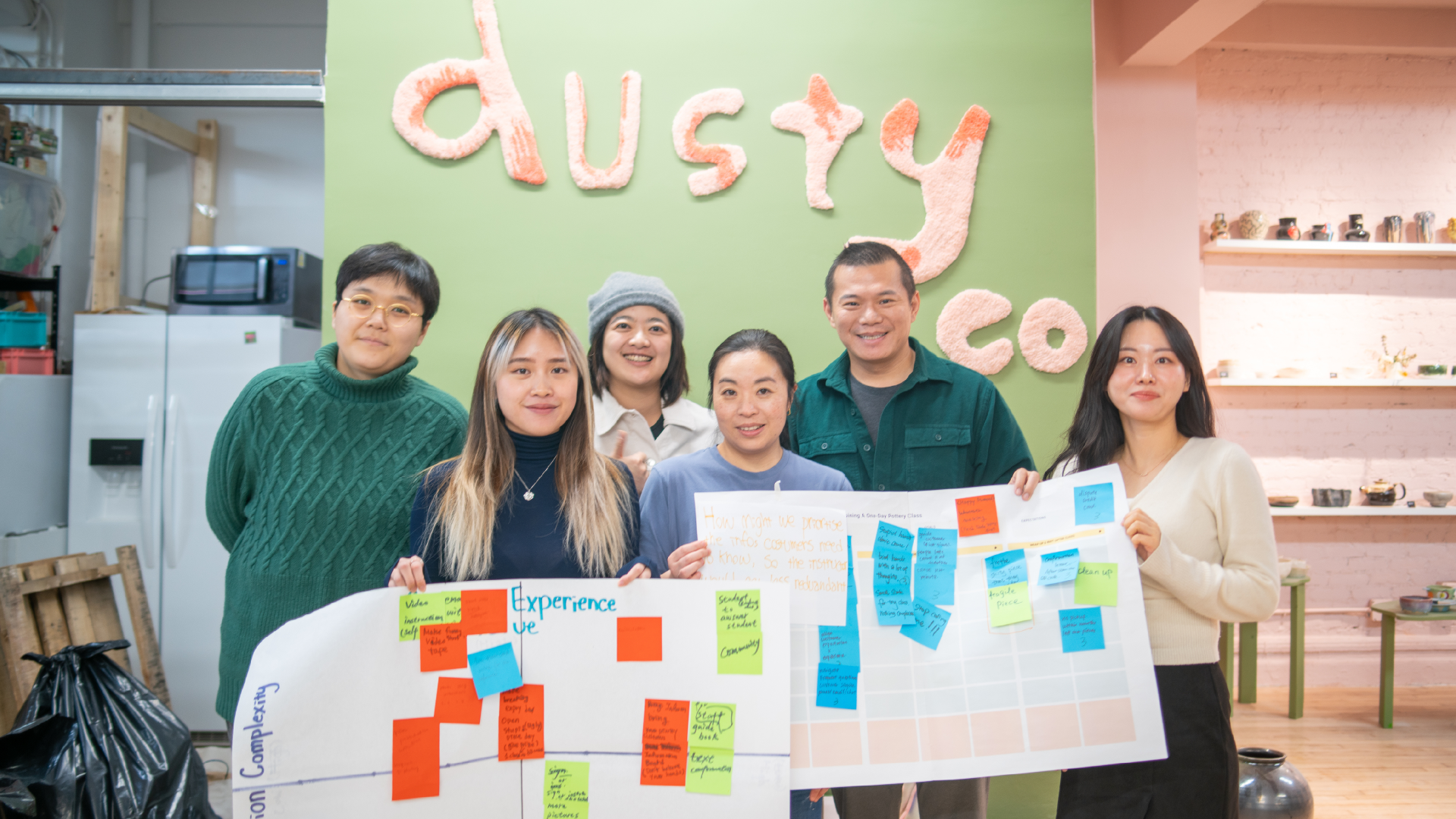
Team presenting research findings at Dusty & Co. studio

A service design project uncovering why newcomers felt lost in a space designed to feel like home — and how to fix it without losing the soul.

Role: Service Designer — Research, workshop facilitation, insight synthesis
Client: Dusty & Co. — Independent pottery studio, NoMad, Manhattan
Team: Gordon Cheng, Seren, Feifey
Duration: 8 weeks (Fall 2025)
Methods: Interviews, Shadowing, Affinity Mapping, Co-design Workshop
The Results

1 Core Insight Discovered
7 Stakeholder Interviews
3 Design Recommendations
1 Phased Roadmap Delivered

Discovered "The Familiarity Paradox" — the founders' deep familiarity with their space led them to remove the very guidance newcomers needed most.
Delivered three actionable interventions under a new design principle: "Soft Clarity."

"I assume you already know something. So that's why I don't give you the clarity instruction. That's the whole point."
— Dusty & Co. Founder

The Challenge

Dusty & Co. is a community-driven ceramics studio in NoMad, Manhattan. It's not a tourist pottery-painting spot, and it's not a serious art school. It wants to be a "third space" — a warm, non-commercial creative community for corporate professionals seeking relaxation and social connection.

The founders deliberately keep the space rough, relaxed, and personal — "like a friend's house."

But the data told a different story.

"Invisible" Onboarding

No digital confirmation, no physical wayfinding, confusion after arrival.

"Black Box" of Waiting

3-4 week firing period with almost no updates. Customers call repeatedly, creating anxiety and operational burden.

Expectation Mismatch

TikTok makes pottery look easy and fast. Reality: difficult and slow. The Difficulty Gap, Result Gap, and Time Gap.

Founder

Low Structure
Trust · Intimacy
"Like a friend's house"

VS

Newcomer

Needs Guidance
Confusion · Exclusion
"I don't know the rules"

The studio is designing for "Insiders" but selling to "Outsiders."

"Cuz your perspective is really commercialized, but we want to be more... like a friend coming here to have fun."
— Founder, during Co-design Workshop

The Solution: "The Dusty Way"

Through a co-design workshop with the founders and staff, we aligned on a new design principle:

"Soft Clarity"

Provide structure through human connection and engaging media — not bureaucratic rules.

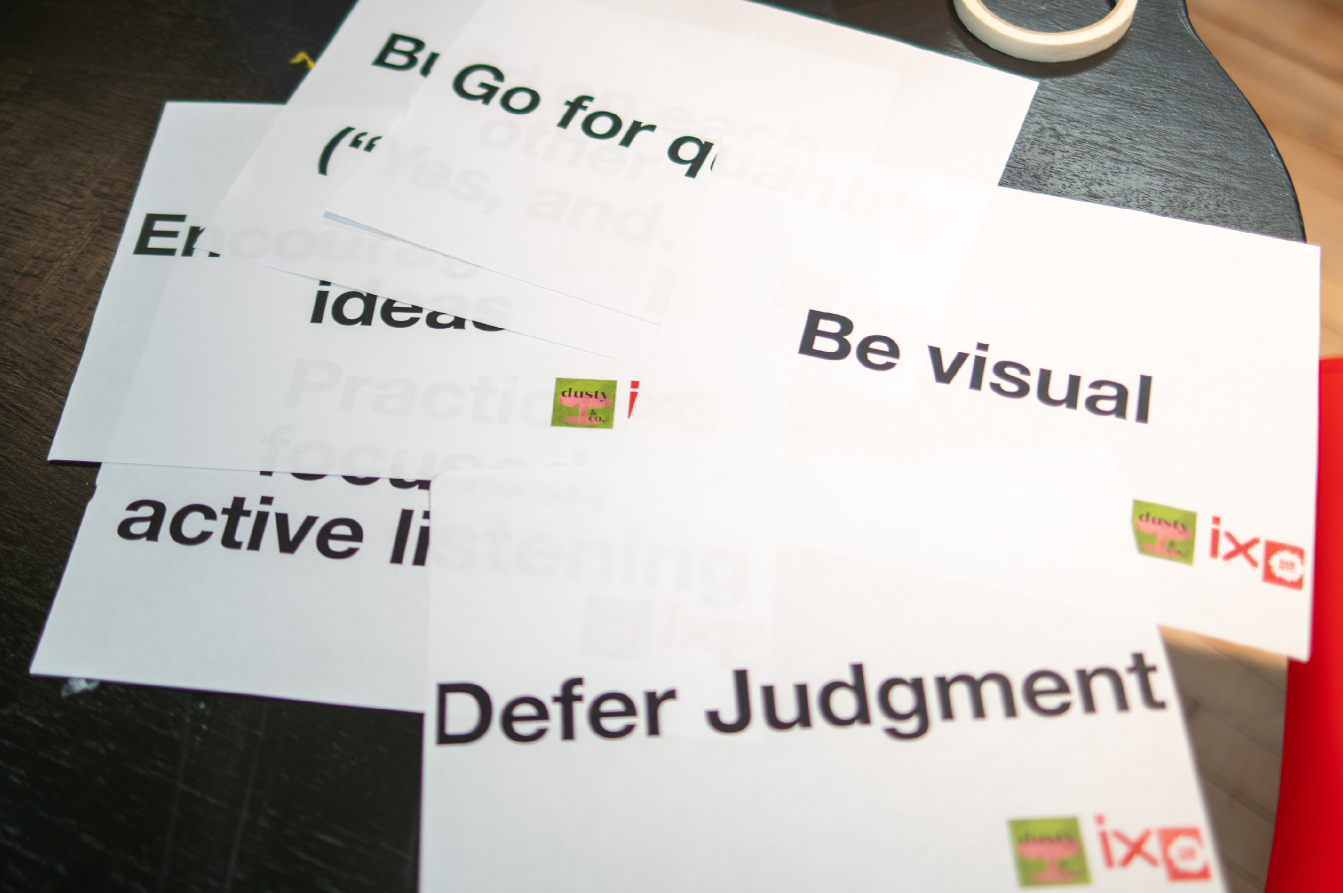
Workshop ground rules cards
01

The Ritual Commitment

A beautifully designed physical card presented at check-in. Not a legal contract — an emotional contract.

Sets expectations about difficulty, time, and the nature of handmade pottery. Reframes "failure" as part of the creative process.

Impact: Immediate reduction in expectation mismatches (Weeks 1-2)
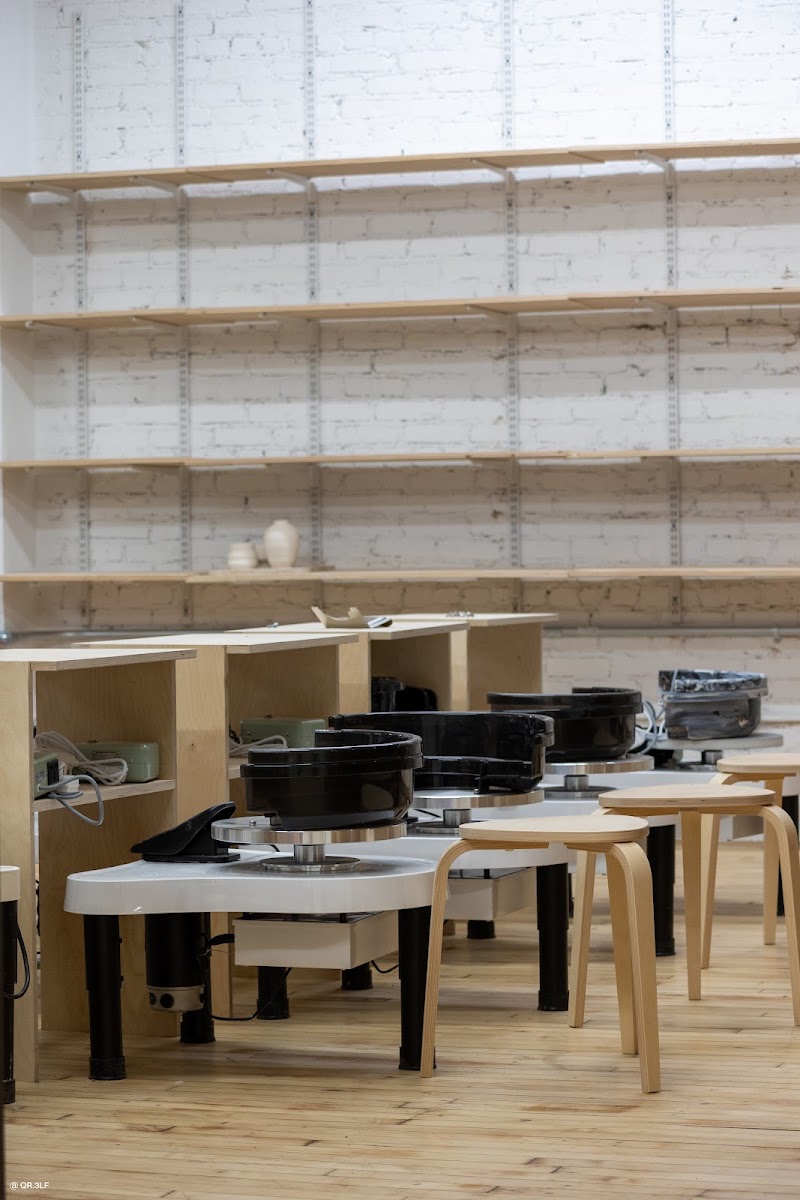
Dusty & Co pottery wheels
02

Visual Vibe Guides

Short, aesthetic video loops sent via confirmation email/SMS, hosted on Instagram:

"How To Find Us" — wayfinding before arrival
"The 4-Week Journey of Clay" — what to expect about firing

Impact: Reduces confusion and preps students before arrival (Weeks 3-4)
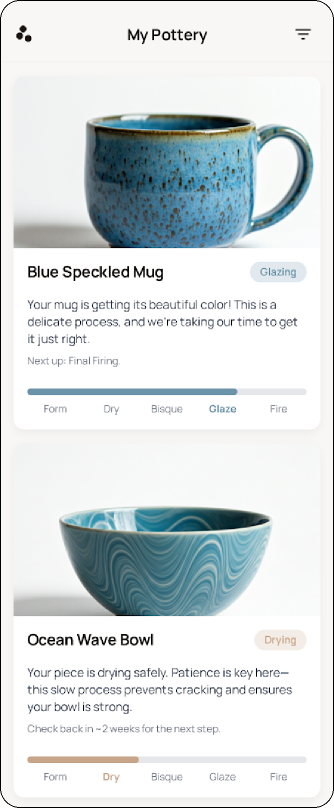
Anti-anxiety progress tracker app mockup
03

Anti-Anxiety Progress Tracker

QR code landing page with human-centric language instead of generic status updates:

"Your piece is drying safely. This takes time to prevent cracking. Check back in 2 weeks."

Impact: Long-term reduction in call volume (Month 2+)

The Process

1

Research

7 stakeholder interviews (founders, instructor, front desk, customers) + end-to-end shadowing from booking to ceramic pickup.

2

Synthesis

Affinity mapping and journey mapping. Identified 3 key friction zones: Invisible Onboarding, Black Box of Waiting, Expectation Mismatch.

3

Co-design Workshop

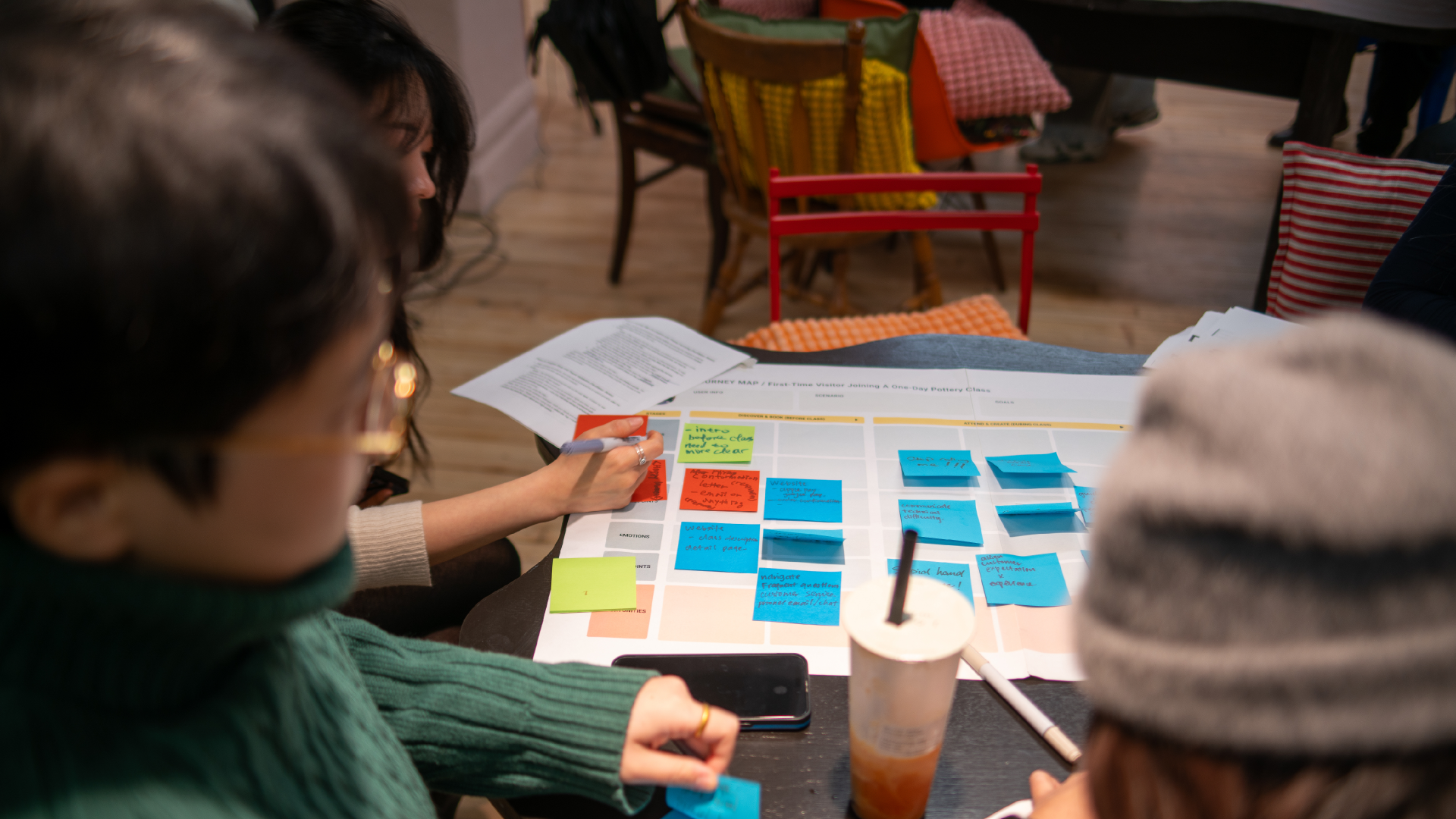
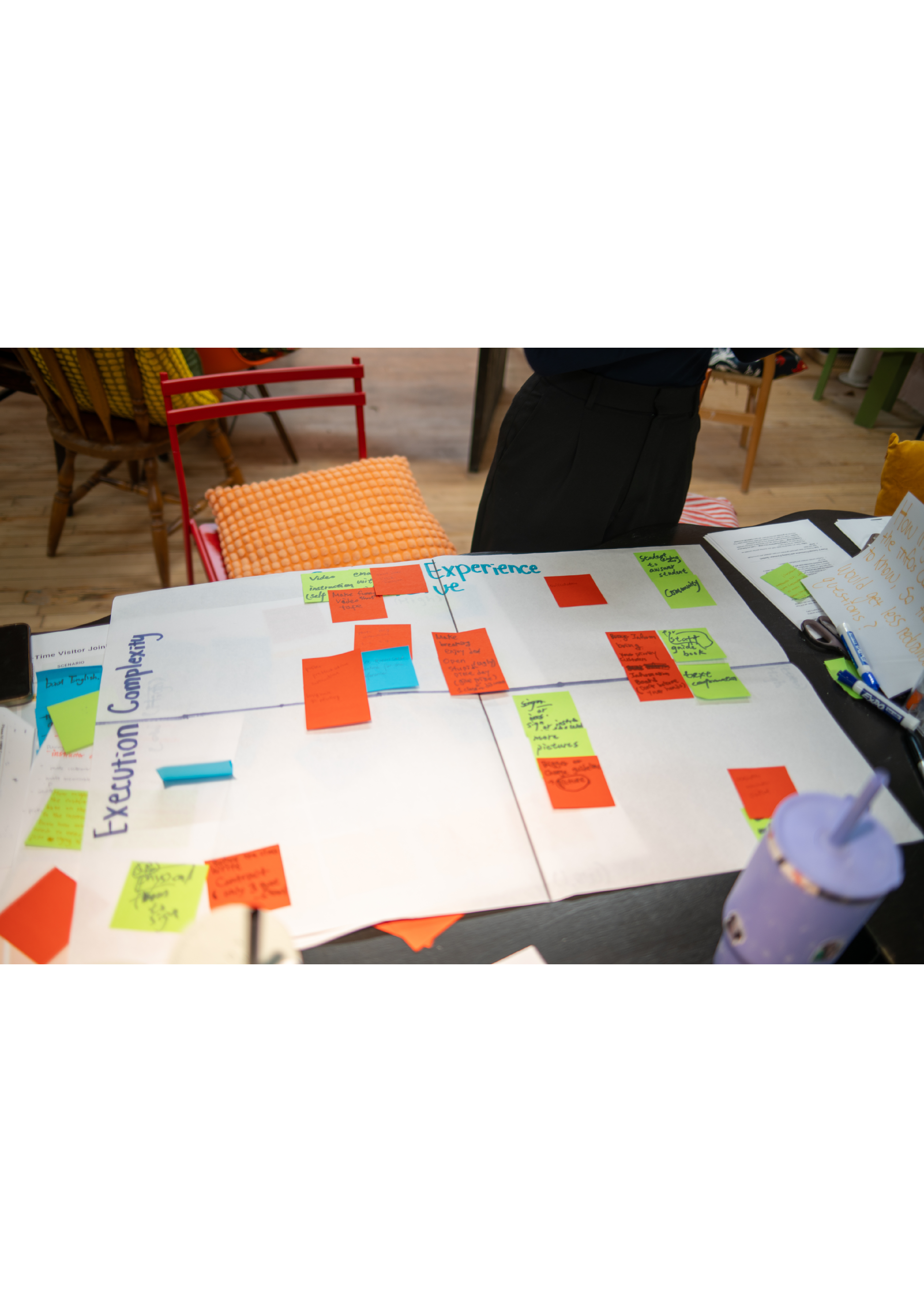
2-hour session with founders + staff. HMW questions, Crazy 8s rapid ideation, Value vs. Complexity prioritization matrix.

4

Recommendations

3 phased interventions following "Soft Clarity" principle, delivered with implementation roadmap and brand-aligned design contract.

Co-design workshop with sticky notes and affinity mapping

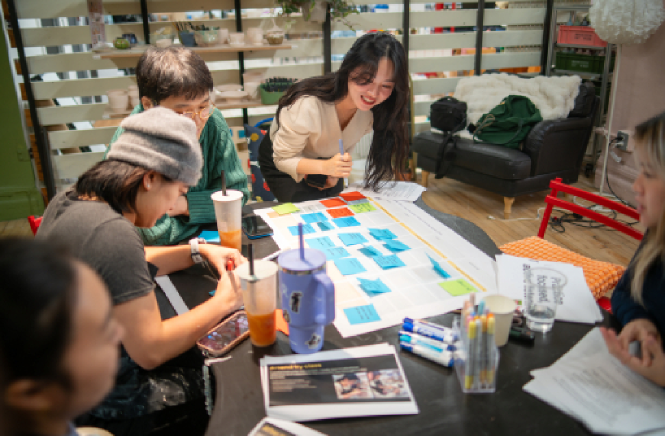
Co-design workshop at Dusty & Co.

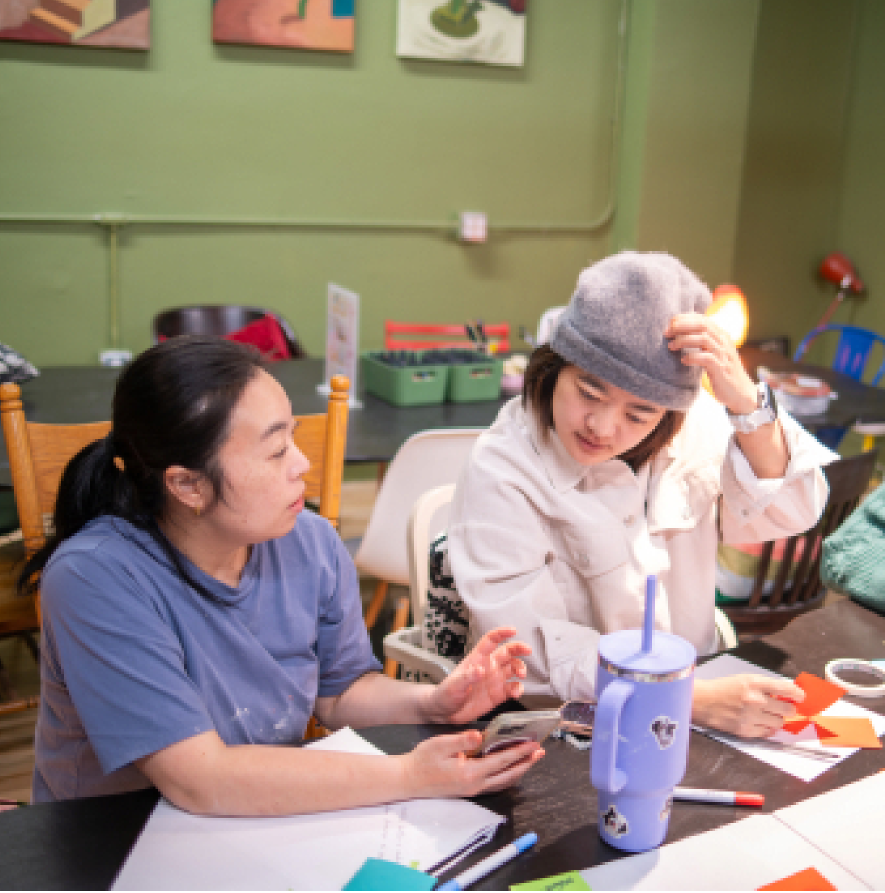
Workshop participants collaborating

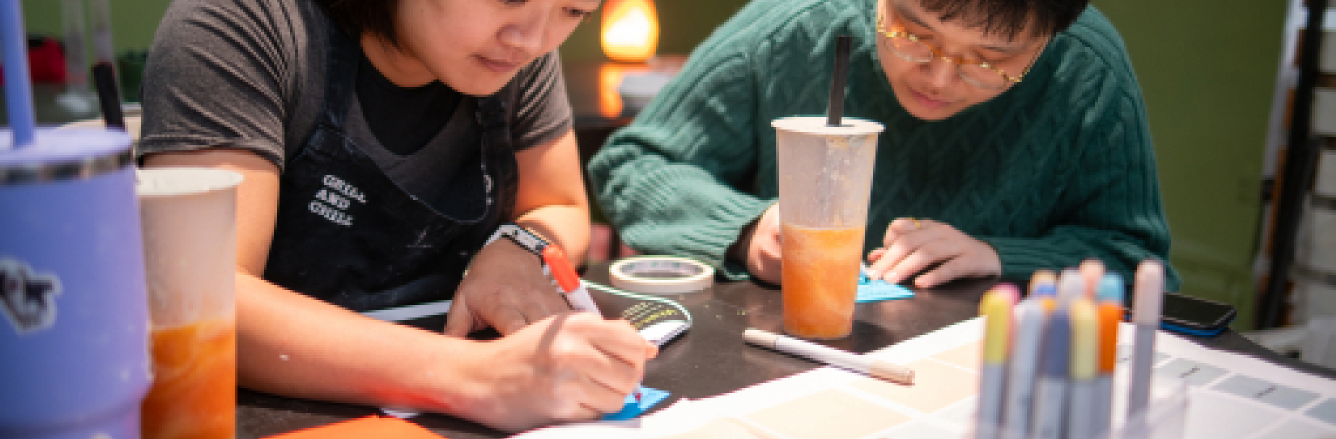
Crazy 8s rapid ideation session

Value vs. Complexity prioritization matrix

Value vs. Complexity prioritization

"Everyone has a very low tolerance for frustration... because they didn't know beforehand that this thing is so difficult."

Takeaways

What Worked

"Start with the conflict, not the process" — Presenting the Familiarity Paradox as a narrative hook made the founders immediately receptive, even though findings challenged their assumptions.

Co-design as alignment tool — The workshop shifted the founders from defensive to collaborative.

"Invisible" interventions — Digital and emotional solutions that enhance experience without cluttering the physical space.

What I Learned

"The best service design preserves what already works."

Dusty & Co.'s non-commercial vibe is genuine and rare. The real design challenge was adding clarity while protecting the soul of the place.

Service design isn't about adding systems — it's about making the invisible visible, gently.