Nestlé China × Publicis Groupe

Do You Feel
What I Feel?

妈妈,你能感受到我的感受吗?

Creative Director • Brand Strategy • Experience Design • 2019

View Case Study

Category: Brand Strategy / Integrated Campaign

Client: Nestlé China — SuperNan3 (超启能恩3) NAN H.A.

Agency: Publicis Groupe, Beijing

Role: Creative Director — Brand strategy, campaign big idea, experience center direction, brand film supervision

Duration: 2019 (6 months)

Team: Led creative concept, directed brand film, designed experience center

Methods: Consumer Research (Ipsos FGD, Kantar U&A), Concept Development, Production Direction

Tools: TVC Production, iQiyi/Tencent Distribution, Offline Experience Design

Awards: "Healthy China 2018 Annual Public Trust Brand"

Brand Strategy Experience Design Multi-sensory Design Campaign Direction

A brand campaign that made Chinese mothers feel infant sensitivity — lifting market share from #9 to #7.

"81.74% of Chinese babies experience minor sensitivities — but only 5% of mothers rank it as their top concern. The gap became our strategy."

The Results

#9→#7 Market Share Ranking
+3.83% Market Share Growth
3 yr Brand Strategy Lifespan
¥100M+ Annual Revenue Milestone

The Problem

81.74%

of Chinese babies have experienced or are experiencing "minor sensitivities"

Source: Babytree Research, 2018 (n=2,114)

Product Truth

H.A. hydrolyzed protein
Clinically proven
Prevents allergy

VS

Consumer Reality

"Allergy is from heredity, not formula"
"It's normal — baby will outgrow it"
Only 5% rate it Top 1 concern

High Knowledge Barrier

Mothers see hydrolyzed formula as medicine, not prevention. The link between allergy and infant formula remains poorly understood.

Invisible Symptoms

Babies scratch, cry, and can't sleep — but can't say why. Only 5% of mothers rate allergy as a top 1 concern.

Weak Category Position

No competing brand addresses "special issues" in communications. SuperNan3 ranked #9 — invisible between regular and prescription formulas.

The Solution

Do You Feel What I Feel?

Stop explaining the technology. Start letting parents feel what their baby feels.

Brand Film (OTV)

Shot entirely from baby's POV — baby's internal monologue: "Even though it's minor, my body feels it in a major way." Distributed on iQiyi and Tencent Video.

Multi-Sensory Experience Center

Immersive offline space where parents physically feel baby allergy symptoms — simulated skin irritation, distressed infant heartbeat, and blurred uncomfortable vision — turning abstract science into body memory.

Children's Day Campaign

Timed to June 1st Children's Day — cross-platform launch driving awareness at a high-emotion moment for parents.

As Creative Director at Publicis Groupe Beijing, I led the creative strategy that reframed a technical product — partially hydrolyzed infant formula — from clinical science into emotional experience. The insight: mothers couldn't feel what their babies felt. So we built a multi-sensory experience center where parents physically experienced allergy symptoms through touch, sound, and vision, supported by a brand film shot entirely from the baby's point of view. The idea became a 3-year brand platform, not just a campaign.

"The best brand communication doesn't tell consumers how good the product is — it makes them feel how real the problem is."
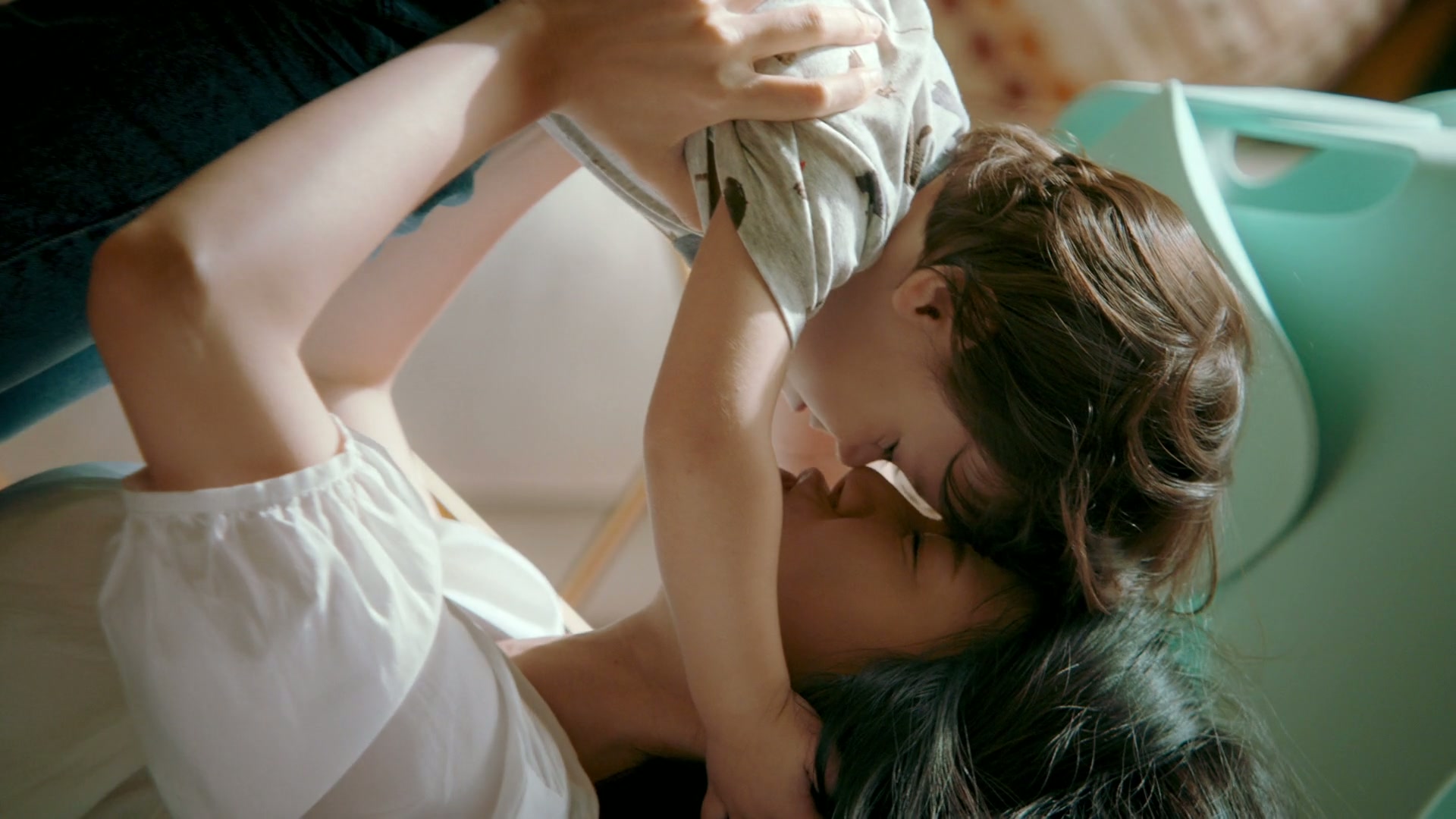
Mother holding baby intimately
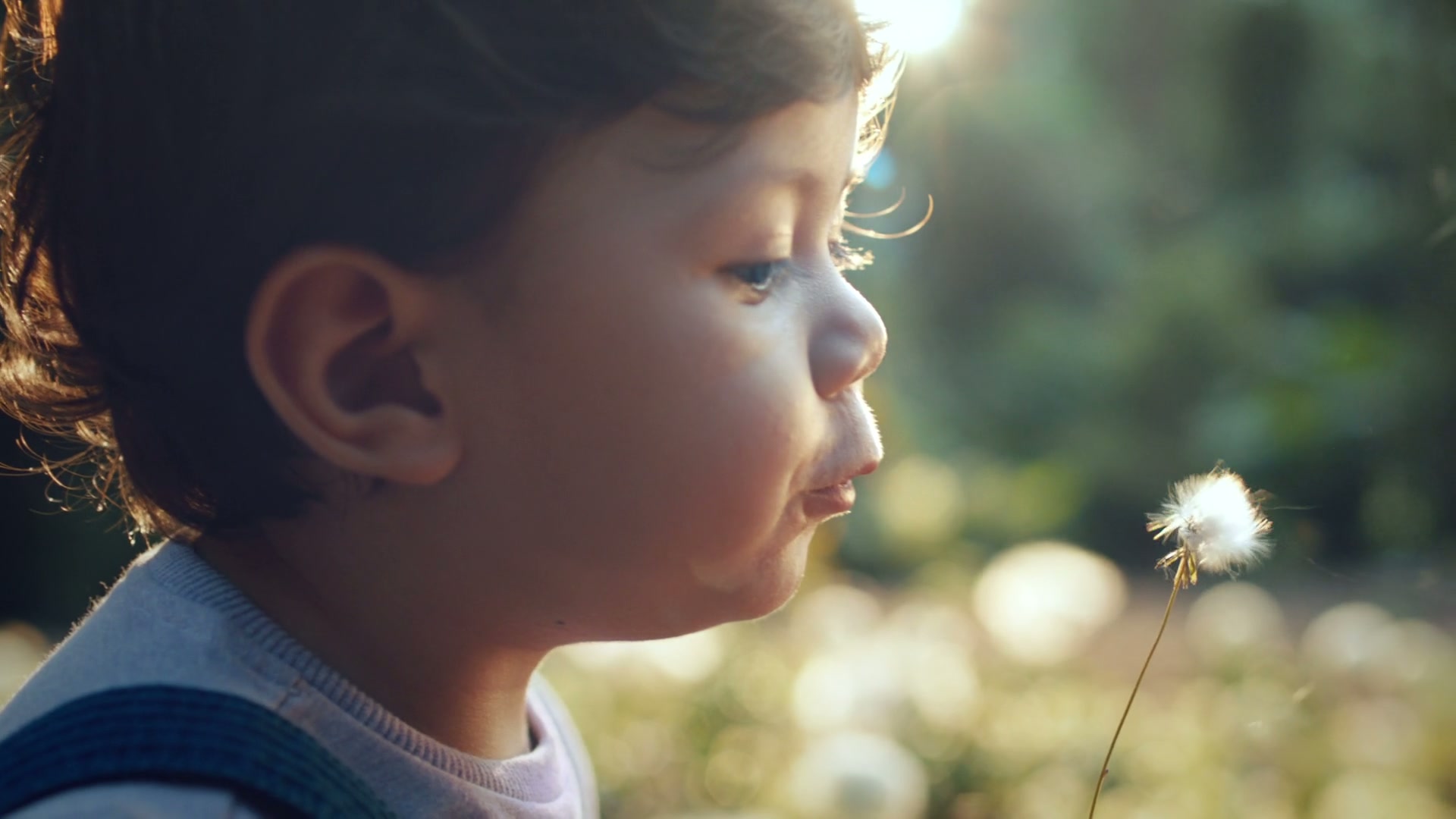
Child blowing dandelion — freedom from sensitivities
SuperNan3 product end card with NAN H.A. logo

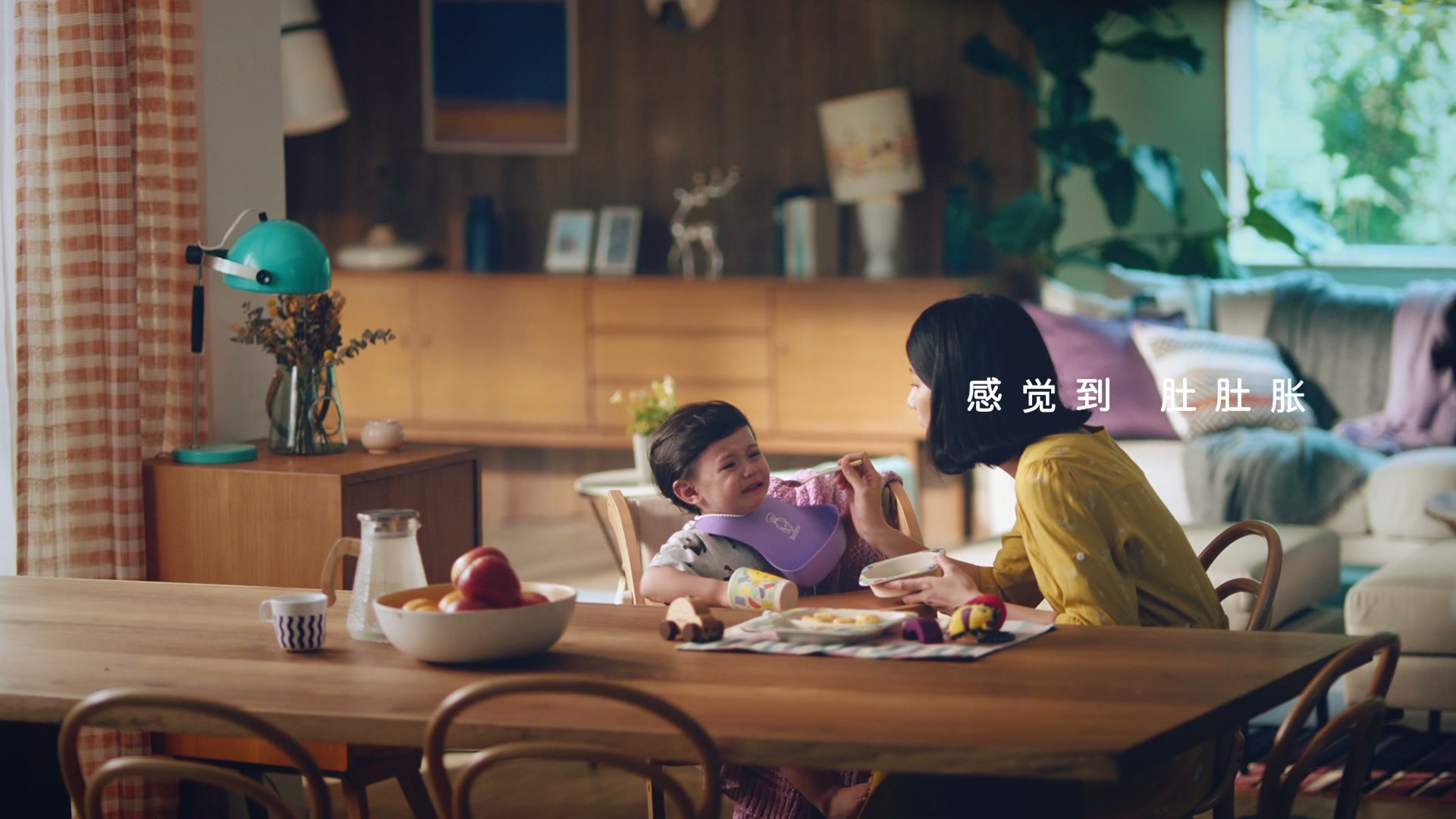
Stills from the brand film "Do You Feel What I Feel"

Brand Film — "Do You Feel What I Feel" (感受篇)

The Process

1

Consumer Insight

Ipsos FGD + Kantar U&A revealed: moms dismiss symptoms as "normal growing up."

2

Brand Strategy

Developed 4 creative directions; winning concept: baby POV emotional narrative.

3

Experience Design

Designed multi-sensory offline space simulating infant allergy through touch, sound, and vision.

4

Launch & Scale

Brand film + experience center + Children's Day campaign across iQiyi and Tencent Video.

"Design is not about delivering information. It's about creating sensation."

Takeaways

What Worked

"Feel" beats "Understand." Once parents physically experienced allergy discomfort, they didn't need convincing — they understood.

3-year platform, not 1-time campaign. "Do You Feel What I Feel" became a scalable narrative framework, not just a tagline.

Offline experience as brand asset. The sensory center was more persuasive than any TVC. Bodies remember what minds forget.

What I Learned

This project was the turning point in my career — from advertising creative director to interaction designer. The most powerful way to change behavior isn't a 30-second ad. It's letting people feel it with their own body.

This same principle later drove JOYCUBE (spatial brand experience) and Drink Like David (physical computing ritual).